Showing posts with label Stone Tile. Show all posts

Saturday, June 22, 2013

Tile Size Tips for Small Bathrooms


Bathroom tile is available in a wide variety of colors, materials and sizes that can add updated style to your interior design. Your options include ceramic, porcelain, glass, stone and slate in warm, earthy tones, vibrant jewel tones, light pastels or classic neutral colors. Well, if you are still in the trouble of bathroom tile size, you could take the following tips into account.

Firstly, small tile without contrasting grout lines. Select small 1-by-1-inch tile for your small bathroom as long as you reduce the appearance of contrasting grout lines. Contrasting grout lines enhance the pattern in the tile and make it look like a checkerboard. A heavy pattern does not complement a small bathroom and often makes the room appear even smaller. Opt for light-colored small tile with matching grout if you want a room-expanding design. The Yorkshire Tile Company recommends that you consider the spacing between your sink, bathroom, windows, doorway and shower before you select a tile size. If the spacing between fixtures is compact, small tiles may be the better option because they flow better than larger tiles.

Secondly, for medium-sized tile, install medium-sized tile in a small bathroom if you want to encourage uniformity and simple design elements. Medium-sized tile measures approximately 4 inches by 4 inches and is installed with thin grout lines between each tile. The World Floor Covering Association reports that installation of small tiles requires more grout joints that can make a small bathroom floor appear too busy. Large bathroom tiles can make a small shower area and a bathroom floor appear disconnected. According to the site, "Scale plays an important role in giving a space an overall balance."

Then, for the large uncut tile, choose large 12-by-12-inch tiles if your bathtub and floor areas can accommodate uncut tiles that size. According to The Yorkshire Tile Company, a company with over 35 years of tile industry experience, if the majority of large tiles can be installed without having to cut them into smaller pieces to make them fit in your bathroom, the end result can be very impressive. Select large tile if your faucet, shower head and floor dimensions do not require you to cut the large tiles into smaller square, rectangular or triangular shapes to fit the space.

Saturday, June 8, 2013

Stone Tile Application Ideas for Bathroom

Bathroom tile is both functional and aesthetic. Tile in inherently antibacterial, wet areas like the bathroom works best with or natural stone on the floor. Well, today we would like to share some tile application ideas for reference.


Marble is one of the popular materials in the ornament of home, thus, we would like to introduce it first. Wrapped in the beauty of white Carrara marble , the room boasts a sophisticated, traditional style. The subway-style tiles provide a timeless backdrop for the curvaceous tub and freestanding cabinet.


Another quite hot application of marble tile is for shower. The natural, soothing appeal of this bathroom comes from the blue-green tumbled-marble tiles in the shower stall.


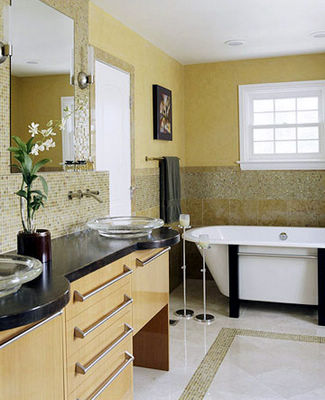
Then, don’t miss out the stone mosaic tile. Wide bands of tile on the walls and floor provide textural interest in this sunny bath. Large beige-marble floor tiles balance the vibrant colors of the walls and cabinetry. Mixing colors and styles of tile creates a high-end look.


Friday, June 7, 2013

Best Method to Clean the Surface of Stone Tile

What’s your first impression of dingy grout or tile ? Yeah, it will detract from the overall look of an otherwise great space. Keeping clean and grout can make the difference between freshening up a space and having to endure a complete renovation. The best way to clean tile surfaces is to use a soft cloth and warm water when dealing with mild soil. While more stringent stone cleaners or scrubbing implements may sometimes be necessary to clean tile, it is best to start out using the mildest options possible to protect the glaze.
   

If your surface isn’t glazed, consider applying a sealant to protect it and to make it easier to clean tile. If you did not install the tile or have it installed yourself, you may be unsure about whether it is glazed. Apply some water to test it. If the color changes to a much darker tone, that means it is a porous surface that will absorb water, and it requires a sealant.


Some people suggest vinegar to clean tile on a regular basis. While it may remove some residue and appears to be a good choice, vinegar may damage tile surfaces and may also change the color of grout. Other mild household solvents and cleanings can be used to clean stone tile, but it is important to follow the manufacturer’s recommendations. Only uses clearly labeled as safe for tile surfaces.


If scouring is required to clean tile efficiently, look for a non-abrasive cleanser and use a nylon scrubber rather than steel wool or other coarse scrubbers. For grout, try a brush that has soft bristles, such as a soft child’s toothbrush. In addition, whenever you clean tile, it is very important to rinse away all cleaning products and residue thoroughly. Dry the area and then polish the surface. You can use a buffer if desired.